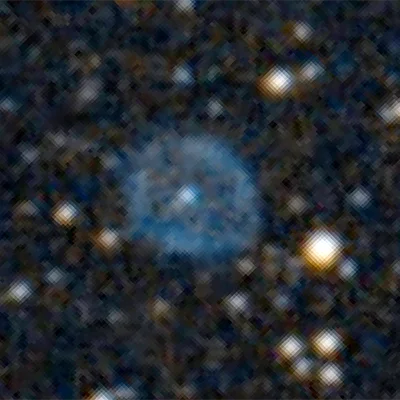
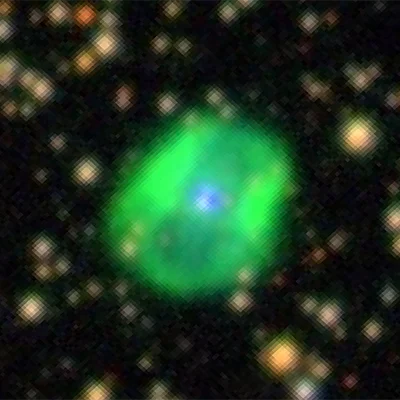
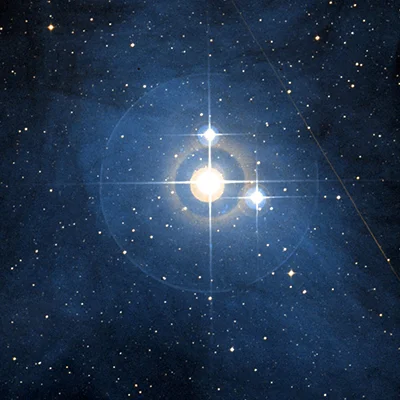
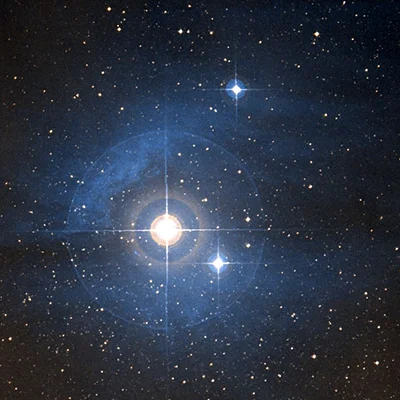
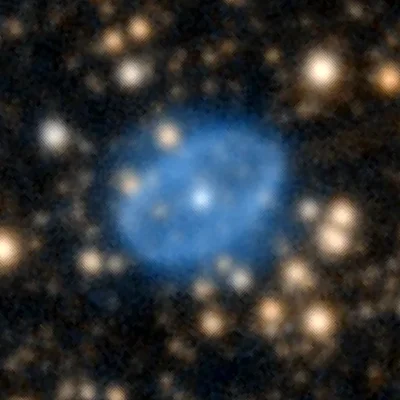
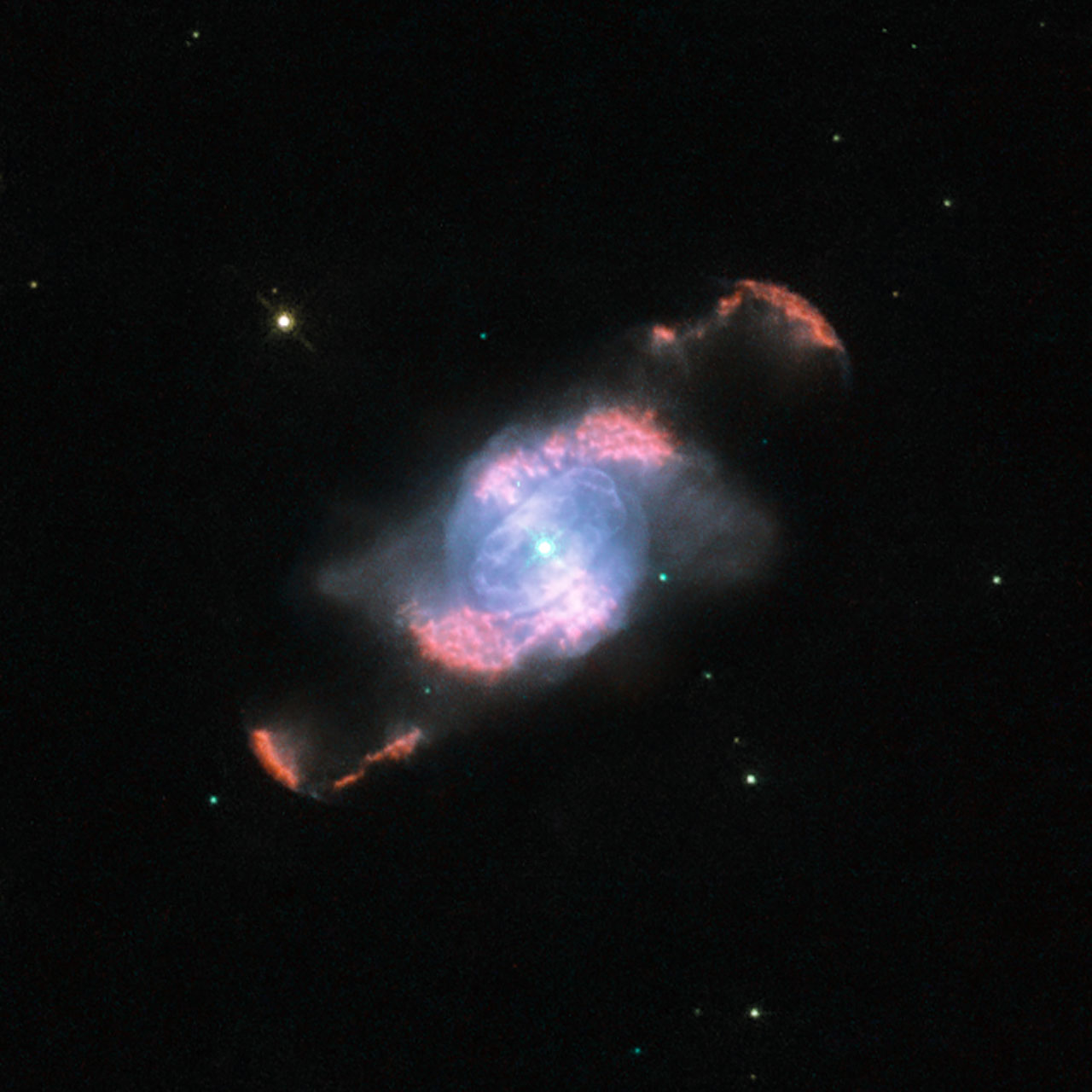
Planetary Nebula IC 4634
History
This planetary nebula was discovered by the Scottish-American astronomer Williamina Fleming in 1894 on an objective-prism plate taken at the Harvard's Arequipa station. She was an assistant to Edwart Pickering, an astronomy professor at Harward University. [277, 364]
Physical Properties
| Designation | IC 4634 |
| Type | PN |
| Right Ascension (J2000.0) | 17h 01m 33.6s |
| Declination (J2000.0) | -21° 49' 32" |
| Diameter | 0.4 arcmin |
| Photographic (blue) magnitude | 10.7 mag |
| Visual magnitude | 10.9 mag |
| Metric Distance | 2.301 kpc |
| Dreyer Description | Planetary, stellar |
| Identification, Remarks | PK 0+12.1; ESO 587-PN1; CS=13.8 |
Finder Chart
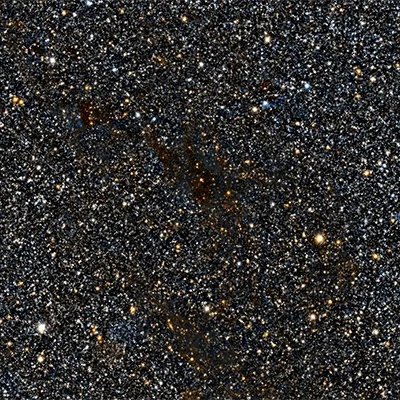
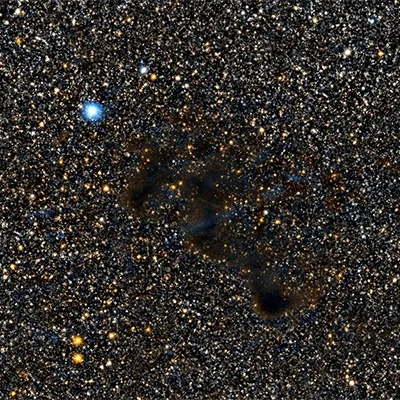
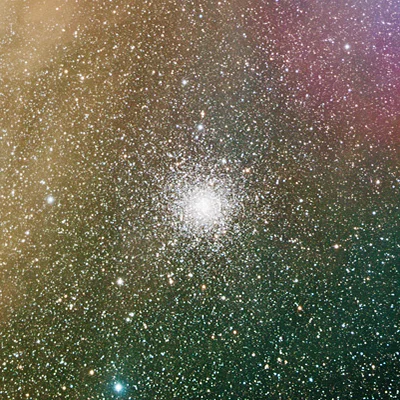
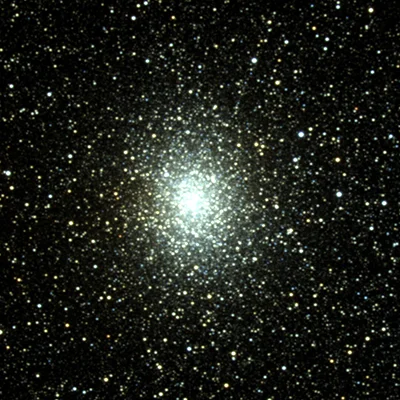
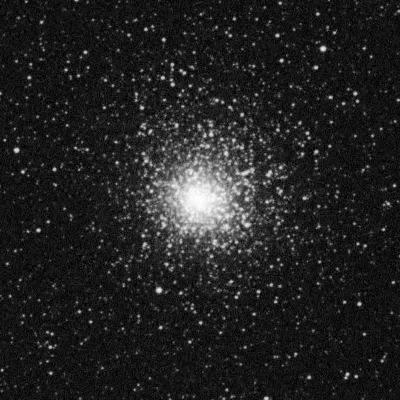
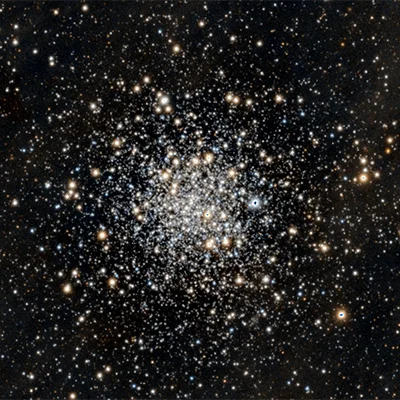
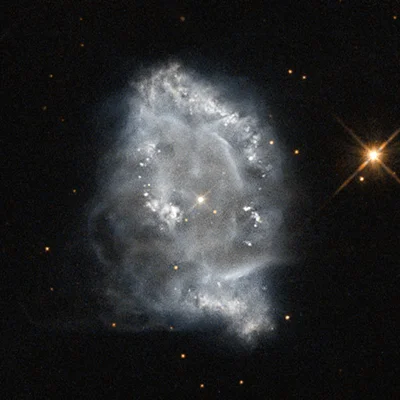
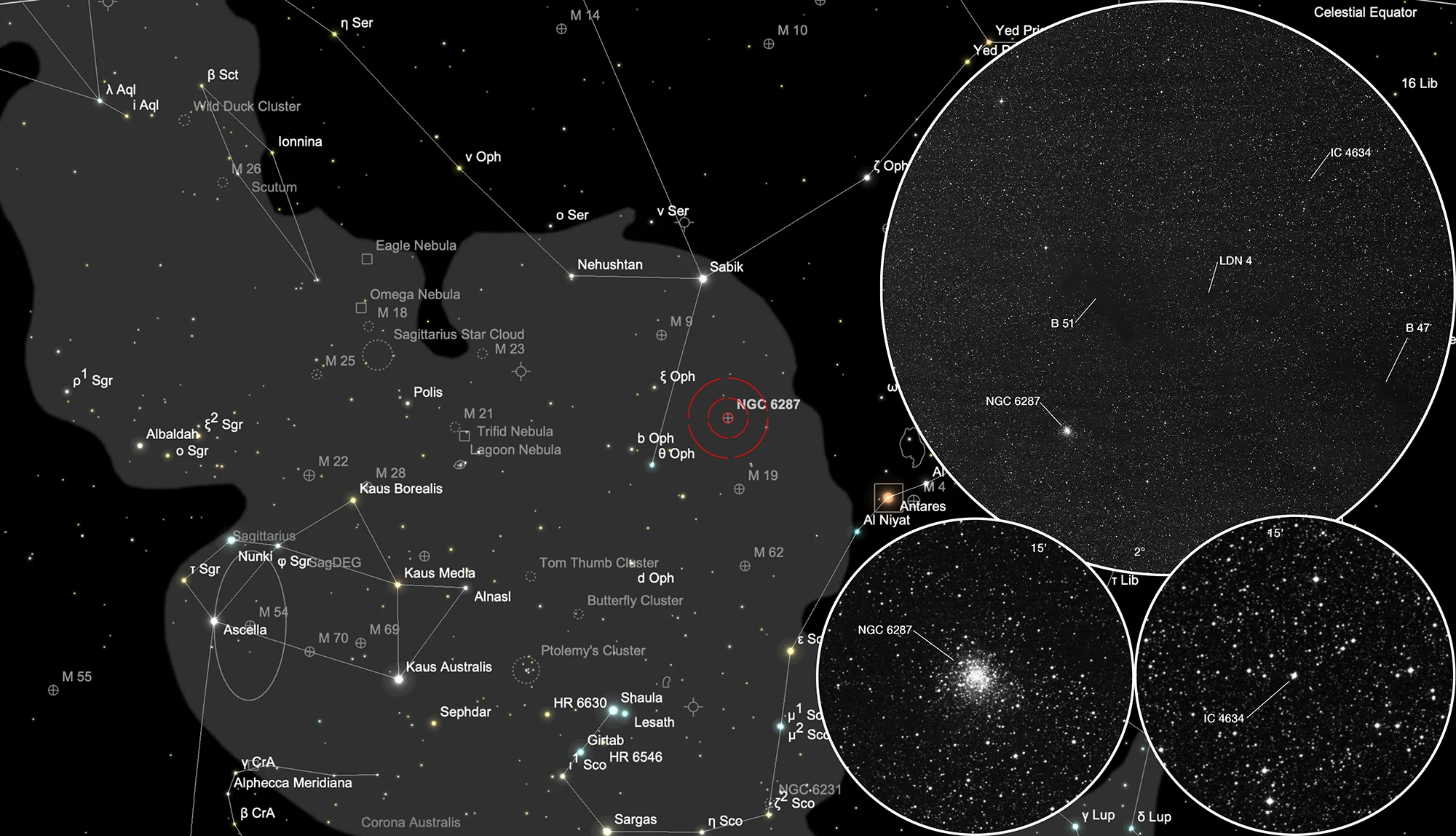
The planetary nebula IC 4634 is located in the constellation Ophiuchus, about 1° 12' northwest of the globular cluster NGC 6287, which can serve as a guide for finding it. IC 4634 is in opposition to the Sun on 7 June and is visible from your location in the months February to November.
Visual Observation
762 mm aperture: The position of the planetary nebula IC 4634 is easy to identify thanks to a small reference triangle. Without a filter, the nebula appears like a star distorted along one axis. With an OIII filter, it is clearly resolved as a tiny, slightly square-shaped disk. — 30" f/3.3 SlipStream Dobsonian, Hasliberg, 12 Jul 2026, SQM-L 21.38, Eduard von Bergen